⏱️ Read time: 14 minutes · Last updated: October 2025 · Prices verified on repeat visits
The first thing you notice isn't the sand — it's the sound. Jet skis idling somewhere offshore, a vendor calling out in three languages, the tinny speaker system from a beachfront restaurant mixing with the whine of a tuk-tuk on the road behind. Patong Beach isn't a quiet tropical escape, and it never has been. What it is, more than anything else, is a working beach attached to a working town, in the middle of one of the busiest tourist destinations in Southeast Asia.
That's not a criticism. It's context. Once you understand what Patong Beach actually is, you can decide whether it's the right beach for you — and if it is, you can have a genuinely excellent time here. Most visitors do.
This guide covers everything you need to know: the geography, the history, the practical details, the safety reality, the pricing, and — most importantly — what to do and what to skip. It's built from time spent on this beach across high season, shoulder season and monsoon, at every hour of the day.
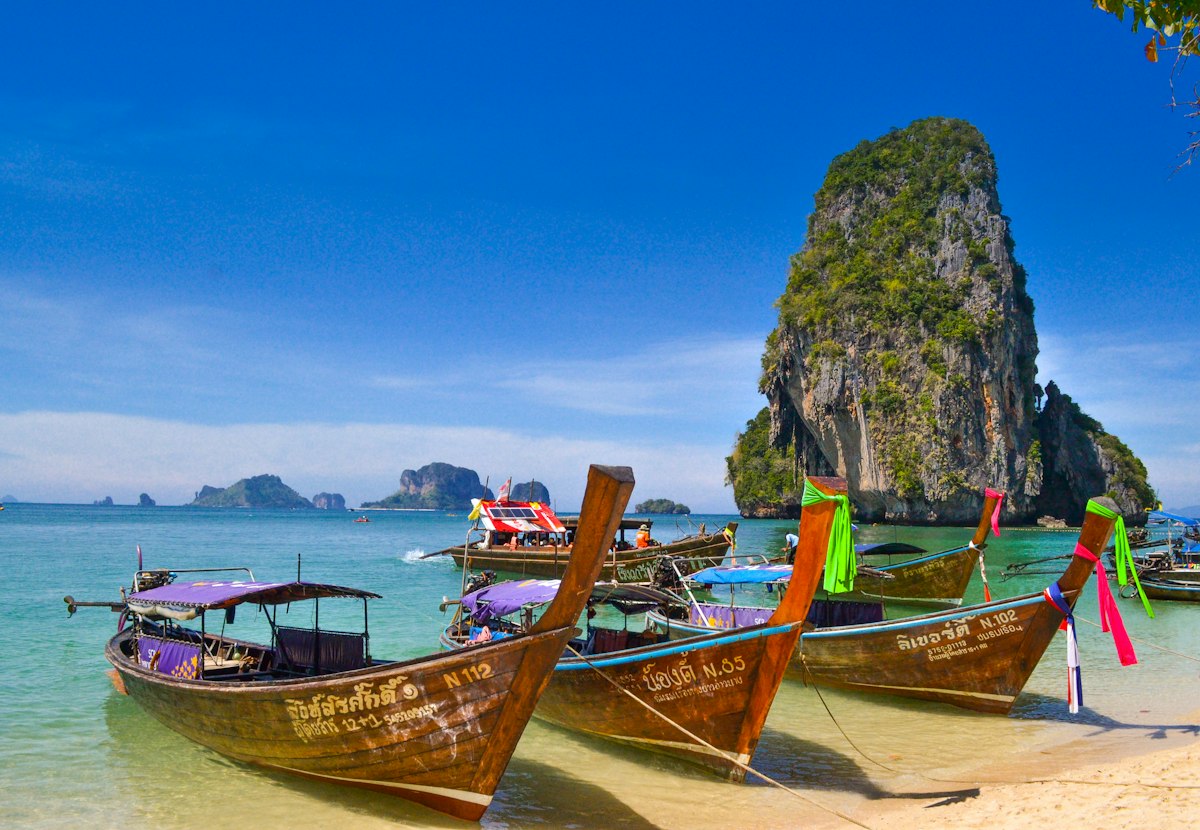
Patong Beach mid-morning — this is the version most visitors experience. Early morning and evening are completely different.
What Patong Beach Actually Is
Patong Beach is a 3-kilometre crescent of sand on the west coast of Phuket, curving between two headlands. At its northern end, near the Amari hotel, the beach is narrower and quieter. The middle section — directly in front of the main beach road — is where most of the crowds, vendors and activity concentrate. The southern end backs onto a rocky coastline that leads toward Karon.
The beach road behind it — Thaweewong Road — runs the full length and is lined with hotels, restaurants, massage shops and convenience stores. Within a 5-minute walk of the beach are Bangla Road (the nightlife strip), Jungceylon Mall, and the market area around Malin Plaza. Everything you'd want in a beach town is packed into a very small area.
What most visitors don't realise is how recently all of this was built. Until the 1980s, Patong was a small fishing village with a handful of guesthouses. The tourism boom that transformed Phuket between the 1980s and 2000s turned Patong into what it is today — one of the most developed beach destinations in Thailand, and by far the most visited in Phuket.
Why Patong Beach Is Different From Other Phuket Beaches
Phuket has dozens of beaches, and they're not interchangeable. Understanding what makes Patong different helps you decide if it's right for you.
Patong is the busiest beach in Phuket. Nothing else comes close. In high season, tens of thousands of people visit the beach and the surrounding area every day. This means more facilities, more restaurants, more nightlife — but also more noise, more traffic, and fewer quiet moments.
Patong has the widest range of accommodation. From $12 hostel beds to $800-a-night resorts, Patong covers every budget better than any other beach in Phuket. If you want choice, this is where you find it.
Patong has the best nightlife. Bangla Road is famous for a reason. If you're here for evenings, Patong wins by default.
Patong's beach itself is not the best in Phuket. The water quality at Kata, Nai Harn and Kata Noi is noticeably better. The sand at Patong is slightly coarser. If your priority is the beach — clean water, quiet swimming, unspoiled sand — you should look at one of the alternatives. Read our guide to the best beaches in Phuket for a proper comparison.
Best Time to Visit Patong Beach
Timing changes everything at Patong Beach. Here's how each season affects the experience.
High Season (November to April)
This is when Patong Beach looks like the postcards. The sea is calm, the sky is clear, and the water temperature sits at a comfortable 28–30°C (82–86°F). Swimming is genuinely pleasant, and water visibility improves noticeably for snorkellers and divers.
The downside: crowds. December and January are the busiest months of the year. Beach chairs fill by 9 AM. Restaurants need reservations in the evenings. Hotel prices double compared to low season.
Best for: Swimming, water sports, general beach days.
Shoulder Season (May, October)
Our personal favourite time at Patong. The weather is still mostly good — occasional afternoon showers in May, occasional heavy rain in October — but the crowds thin out significantly and hotel prices drop 30–40%. The beach feels more relaxed, the restaurants are easier to get into, and the whole town has a calmer rhythm.
Best for: Value, fewer crowds, more relaxed beach days.
Low Season / Monsoon (June to September)
The tricky season. Patong Beach during monsoon is a completely different experience. Heavy rain can last for hours, sometimes days. The sea becomes rough, red flags are up more days than not, and swimming is genuinely dangerous when the warnings are in place.
That said, low season has real appeal. Hotel prices drop 40–60%. The town is quiet. And on the days when the weather is good — which happens more often than you'd expect — Patong Beach is more peaceful than at any other time of year.
Best for: Budget travellers, anyone who doesn't mind a bit of rain, and photographers (the dramatic skies and rough seas make for spectacular photos).
Critical safety note: Between May and October, never swim outside the flagged zones, and never swim alone. Phuket's rip currents during monsoon are strong enough to pull even experienced swimmers out to sea. Every year, tourists drown at Patong Beach because they ignore the red flags. This is the single most important piece of advice in this entire guide.
Best Time of Day at Patong Beach
The beach has four distinct moods over the course of a day. Each one suits different visitors.
6:30 – 8:30 AM — The Quiet Hour
This is our favourite time at Patong Beach. The sand is empty, the water is glassy, and the only people around are joggers, local fishermen, and the occasional other early riser. If you want to experience Patong Beach without the noise and crowds, this is the only window that matters.
Bring a coffee from one of the 7-Elevens on the beach road. Walk from the northern end of the beach to the southern end. It takes about 40 minutes at an easy pace. You'll see Patong Beach at its most photogenic, and probably have the best photos of your whole trip.
9 AM – 12 PM — The Peak Beach Hours
By 9 AM, the beach chair vendors are set up, the water sports operators are working, and the first waves of tourists are arriving. This is when Patong Beach is at its most lively. The water is still reasonably calm in high season, and it's a good time for swimming.
By 11 AM the sun is getting intense. If you're here, find a spot under an umbrella or head for a beachfront restaurant for an early lunch.
12 PM – 4 PM — The Midday Grind
Honest advice: this is the least pleasant time at Patong Beach. The sun is at its strongest, the sand gets uncomfortably hot, and the beach is at its most crowded. Most experienced visitors clear out during these hours and return in the late afternoon.
Use this time for lunch, a massage, or exploring the food scene around Malin Plaza. If you do stay on the beach, keep hydrated and use high-SPF sunscreen.
4 PM – 6:30 PM — The Golden Hours
Patong Beach is at its best in the late afternoon and early evening. The sun drops behind the headland, the temperature cools, and the light turns gold. Vendors pack up, crowds thin, and the beach finally feels relaxed.
This is when to come if you want to swim in comfort, take sunset photos, or simply sit and watch the day wind down. The beach clubs along the northern end (near the Amari) have some of the best sunset views — a cold drink there at 5:30 PM is one of the great small pleasures of a Patong holiday.
What to Do at Patong Beach
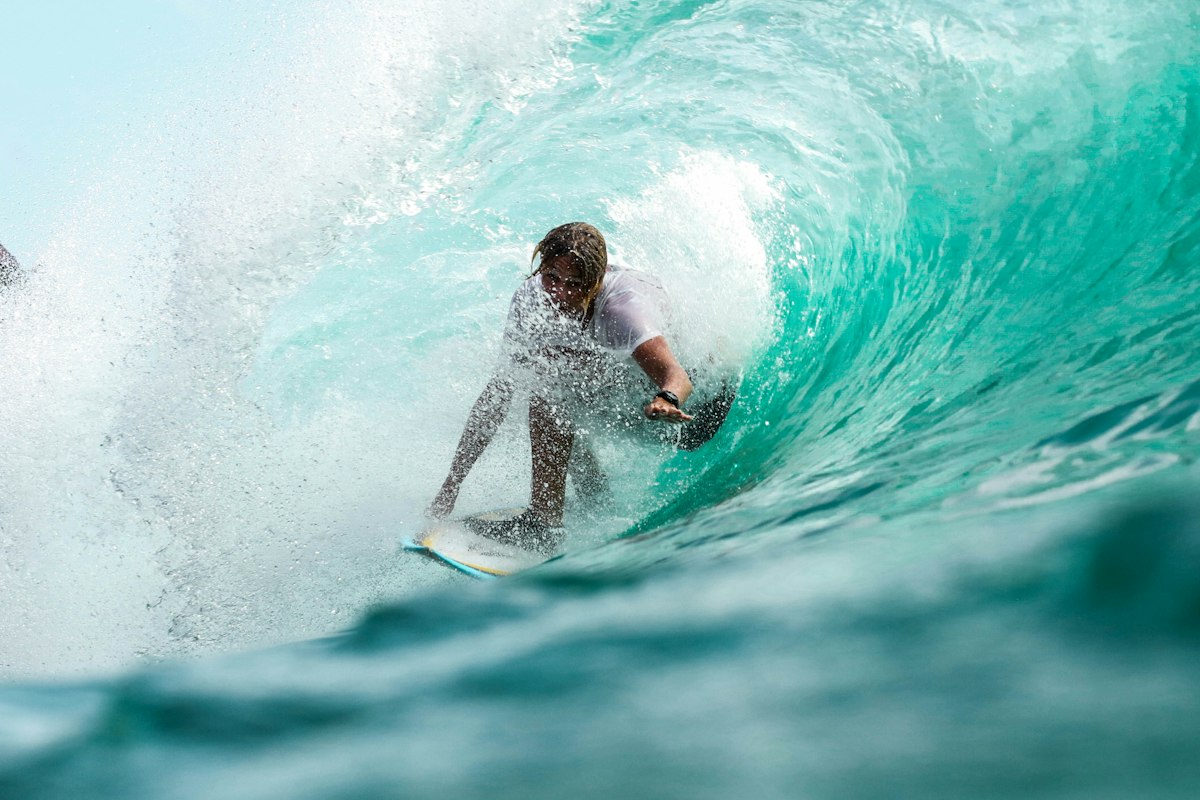
Water sports at Patong Beach — jet skis, parasailing, kayaks and paddleboards are all available from the sand.
Swimming
In high season, Patong Beach is fine for swimming. The water is warm, the waves are gentle, and the slope into the sea is gradual. Stick to the flagged zones and stay aware of your surroundings — this is not a quiet beach and jet skis don't always respect the swimming areas.
In low season, do not swim when red flags are up. This isn't a guideline. It's a warning, and people die here every year ignoring it.
Water Sports
Patong Beach has every water sport you can think of. Jet skiing (600–1,000 THB for 30 minutes), parasailing (800–1,200 THB for 10 minutes), banana boat rides (200–300 THB per person), kayaking (200–400 THB per hour), and stand-up paddleboarding (300–500 THB per hour).
Prices are negotiable, especially in the late afternoon when operators are trying to fill slots before sunset.
Beach Massage
Every 20 metres along the middle stretch of Patong Beach, someone is offering a beach massage. A one-hour massage on the sand costs 300–400 THB ($9–12). It's not as refined as a proper spa treatment, but lying on a mat under a beach umbrella, listening to the waves, is a distinctly pleasant experience.
Sunset Drinks at a Beach Club
The northern end of Patong Beach — past the Amari — has a handful of beach clubs where you can sit with a drink and watch the sunset. Prices are higher than typical Patong (200–400 THB per drink), but the setting justifies it. Book a table for 5:30 PM in high season.
Explore the Beach Road
Thaweewong Road runs the length of the beach and is worth exploring at least once. It has everything from luxury hotels to street food carts, and walking its full length gives you a good sense of the town's character.
What Patong Beach Costs
Patong Beach itself is free. But the various extras add up, and knowing the real prices helps you plan.
🏖️ Beach Chairs
100–200 THB ($3–6) per day
Includes umbrella and towel
💆 Beach Massage
300–400 THB ($9–12) per hour
Negotiable in low season
🍹 Drinks on Beach
Beer 80–150 THB
Fresh coconut 40–60 THB
🛥️ Jet Ski (30 min)
600–1,000 THB ($17–29)
Photograph first!
Beach snacks — fresh fruit, grilled corn, ice cream — cost 30–80 THB ($1–2) each. Vendors walk the sand selling these throughout the day.
Where to Eat Near Patong Beach
The restaurants directly on the beach road are convenient but expensive and rarely outstanding. Two or three streets inland from the beach, the price drops sharply and the quality rises.
The best value is at Malin Plaza Phuket — a proper local night market about 3 minutes' walk inland from the beach road. A full meal there costs 250–400 THB ($7–11) per person, including drinks and dessert. It's genuinely better than anything on the beach road at a third of the price. Our Malin Plaza food guide covers exactly what to order and where.
For specific dishes: the best Pad Thai in Patong and best grilled seafood in Patong are both found at specialist stalls in Malin Plaza rather than beachfront restaurants.
Where to Stay Near Patong Beach
Where you stay matters enormously at Patong. A hotel directly on the beach road is convenient but noisy. A hotel three streets back is quieter but you'll walk 10 minutes to the sand. A hotel within walking distance of Malin Plaza gets you the best of both — easy beach access and easy market access.
We've written a detailed guide to the best hotels near Malin Plaza across every budget. For budget travellers specifically, our cheap hotels in Patong under $30 guide lists properties that are genuinely good value.
Rough guidance by budget: hostel bed $12–18 per night. Budget hotel $25–40. Mid-range hotel with pool $45–90. Luxury resort $150+. Prices in high season are roughly double low season.
Patong Beach Safety — The Honest Version
Patong Beach is safe by any reasonable measure. Millions of visitors come here every year without incident, and the beach itself is heavily patrolled during peak hours. But there are specific risks worth understanding.
Rip currents. This is the most serious one. During monsoon season (May–October), Patong Beach has strong rip currents that can carry swimmers out to sea. Red flags are put up when the water is dangerous, and the warning is serious. Do not swim when red flags are up. Do not swim alone. Do not swim at dusk or at night. Tourists drown at Patong Beach every year, and in almost every case they were ignoring clear warnings.
Jet ski scams. Patong has a well-documented problem with jet ski rental scams. The operator rents you a jet ski, and when you return it, claims pre-existing damage and demands hundreds of dollars in compensation. The solution is simple: photograph every angle of the jet ski before you take it out, and refuse to hand over your passport as a deposit (offer cash instead).
Beach theft. Rare, but it does happen, mostly to visitors who leave bags unattended while swimming. Use a dry bag for valuables, or bring nothing valuable to the beach.
Sunscreen and heat. Underestimated risk. Patong Beach during the middle of the day is genuinely hot, and sunburn happens fast. Use high-SPF sunscreen, reapply every two hours, and take breaks in the shade.
What to Bring to Patong Beach
Reef-safe sunscreen. Regular sunscreen damages coral, and the environmental regulations around Phuket beaches have tightened in recent years. Bring reef-safe formulas — they're increasingly the only type allowed on some tours and boat trips.
A dry bag. For your phone, cash and hotel key. Keeps your valuables waterproof and lets you swim without worrying.
A light towel or sarong. Quick-drying is much better than a heavy beach towel. Sarongs are available locally for 150–300 THB and double as sun protection.
Cash in small notes. Beach vendors, chair rentals and drinks are usually cash-only. There are ATMs along the beach road, but they charge the standard 220 THB foreign card fee per withdrawal.
A hat and sunglasses. The sun at Patong Beach is strong, even on cloudy days.
What NOT to Do at Patong Beach
A short list of the mistakes we see visitors make repeatedly.
Don't ignore red flag warnings. Not in monsoon season, not ever.
Don't rent a jet ski without photographing it first. Not worth the risk.
Don't leave your bag unattended on the sand while swimming. A towel over your phone isn't security.
Don't buy tours from anyone who approaches you on the beach. Book through your hotel or a reputable operator instead — see our Phi Phi Islands day trip guide for how to book tours safely.
Don't swim outside the flagged zones. The lifeguards put the flags where they are for a reason.
Don't wear your best jewellery or carry large amounts of cash. Patong Beach is busy, and busy beaches attract pickpockets.
How to Get to Patong Beach
If you're staying in Patong, you can walk to the beach from almost any hotel — the town is compact and most accommodation is within 10–15 minutes on foot from the sand.
From other parts of Phuket:
From Phuket Airport: Grab 700–900 THB, 45–60 minutes. Metered taxi 700–1,000 THB including toll. Shared shuttle bus 150–200 THB per person, 60–90 minutes.
From Phuket Town: Grab 200–300 THB, 25–35 minutes.
From Kata or Karon: Grab 120–200 THB, 15–25 minutes.
Within Patong itself, walking is almost always faster than a taxi. If you need transport, use Grab rather than negotiating with tuk-tuk drivers — the prices are fixed in the app and you avoid the "500 THB for a 3-minute ride" problem.
For more detailed transport information, see our Patong location and transport guide.
🏨 Planning where to stay? Hotels within walking distance of both Patong Beach and Malin Plaza give you the best of the beach and the best of the food market in the same 10-minute walk. Compare rates on Agoda or Trip.com — both offer free cancellation on most Patong properties.
Patong Beach vs Other Phuket Beaches — the Honest Comparison
If you're choosing where to base your Phuket trip, here's the honest breakdown of how Patong Beach compares.
vs Kata Beach: Kata wins on water quality, swimming and family-friendliness. Patong wins on nightlife, shopping and convenience.
vs Karon Beach: Karon wins on space and sunset views. Patong wins on facilities and activity.
vs Nai Harn Beach: Nai Harn wins on quiet, cleanliness and local feel. Patong wins on accessibility and things to do.
vs Bang Tao Beach: Bang Tao wins on peace and upscale dining. Patong wins on energy and choice.
vs Surin Beach: Surin wins on style and dining quality. Patong wins on price and convenience.
The short version: Patong is the right beach for you if you want everything walkable, you like having a wide choice of restaurants and hotels, and you don't mind crowds. If you want quiet swimming and unspoiled sand, base yourself elsewhere and visit Patong for a day.