⏱️ Read time: 15 minutes · Last updated: October 2025 · Prices verified on multiple visits
The first thing you notice about Patong is the noise. Not just the traffic — though there's plenty of that — but the layered sound of a resort town that never quite switches off. Tuk-tuk horns, restaurant touts, the whine of motorbikes, snatches of Thai pop drifting out of massage shops. It's overwhelming for about an hour. Then, strangely, you stop noticing it, and Patong starts to make sense.
Here's the thing nobody tells you before you arrive: Patong isn't really one destination. It's about six different destinations stacked on top of each other within a two-kilometre radius. There's the beach, the nightlife strip, the food markets, the day-trip departure point, the spa district, and the shopping quarter. Most visitors only find two or three of them. The rest never even know what they missed.
We've spent enough time here to have opinions — some strong ones — about what's actually worth your time. This guide covers the twelve things that genuinely earn a place on your itinerary, ranked by what we'd tell a friend to do first.

Patong Beach at golden hour — one of the few times the beach actually feels calm.
1. Walk Patong Beach at Sunrise (Before Anyone Else Arrives)
Everyone visits Patong Beach. Almost nobody visits it correctly. The trick is timing — and by "correct timing" we mean the hour between 6:30 and 7:30 AM, when the sand is empty, the water is glassy, and the only other people around are a handful of joggers and local fishermen pulling in their nets.
By 9 AM the beach chairs are being set up. By 10 AM the first jet skis are idling offshore. By noon it's the version of Patong Beach you've seen in every travel blog — hot, crowded, loud, with vendors walking the sand selling everything from corn to corn-rows. All of that is fine, but it's a completely different experience from the early morning version.
Cost: Free. Beach chairs (once the vendors set up) cost 100–200 THB ($3–6) per day.
Best time: 6:30–7:30 AM in any season. In monsoon months (June–September), watch for afternoon rain instead.
Insider tip: Walk to the northern end of the beach, past the Amari hotel, where the sand is quieter and cleaner. It's a 10-minute walk from central Patong but worth the effort.
What not to do: Don't swim in monsoon season when red flags are up. Phuket has genuine rip currents between May and October, and tourists drown here every year because they assume the sea looks calm enough. It isn't.
2. Eat Your Way Through Malin Plaza Night Market

Charcoal grills, woks on high flame, and queues of Thai families — Malin Plaza at peak hour.
If you only do one thing in Patong, make it this. Malin Plaza Phuket is a proper night market — not a tourist-optimised version of one — and the food is genuinely as good as anything you'll eat in Thailand. We've covered it extensively in our Malin Plaza food guide, but the short version is: arrive between 5:30 and 6:30 PM, do a full circuit of the market before buying anything, and choose stalls with the longest queue of Thai customers. That single rule will never let you down.
Cost: 250–400 THB ($7–11) per person for a full meal with dessert and a drink.
Must-try dishes: Pad Thai (80–120 THB), grilled tiger prawns (200–350 THB), mango sticky rice (80–120 THB), fresh fruit shakes (50–70 THB).
Insider tip: Malin Plaza is 200 metres from Patong Beach, on Prachanukhro Road — a 3-minute walk inland from the beach road. Look at our Malin Plaza map guide if you're unsure of the route.
What not to do: Don't skip the market because it looks "local." A large portion of the customers every evening are Thai families — that's precisely why the food is so good. If you want the tourist version, eat on the beach road instead. It's twice the price for half the quality.
3. Walk Down Bangla Road at Night (Once, at Least)
Bangla Road is a lot of things. It's the centre of Patong's nightlife. It's a sensory overload of neon, live music, street performers and aggressive touts. It's the kind of street you either love or find exhausting within five minutes — and honestly, both reactions are valid.
Whether or not you drink, Bangla Road is worth one walk-through just to understand what it is. The street closes to traffic every evening around 6 PM and becomes pedestrian-only. By 8 PM it's fully alive. Live bands spill out of bars, fire dancers perform for tips, and the energy level is genuinely unlike anything else in Thailand.
Cost: Free to walk. Drinks range from 80 THB for a beer at a side bar to 300+ THB at a club.
Best time: 8–10 PM. After 11 PM it becomes rowdier and more crowded. Before 7 PM it's still setting up.
Insider tip: The side streets running off Bangla Road have some of the best small bars — cheaper drinks, less chaos, and often better music than the big venues on the main strip.
What not to do: Don't accept drinks from strangers. Don't follow touts into "special shows" — the pricing structure is designed to trap you, and the "show" is usually not what was promised. Don't bring children after 9 PM.
4. Book a Traditional Thai Massage
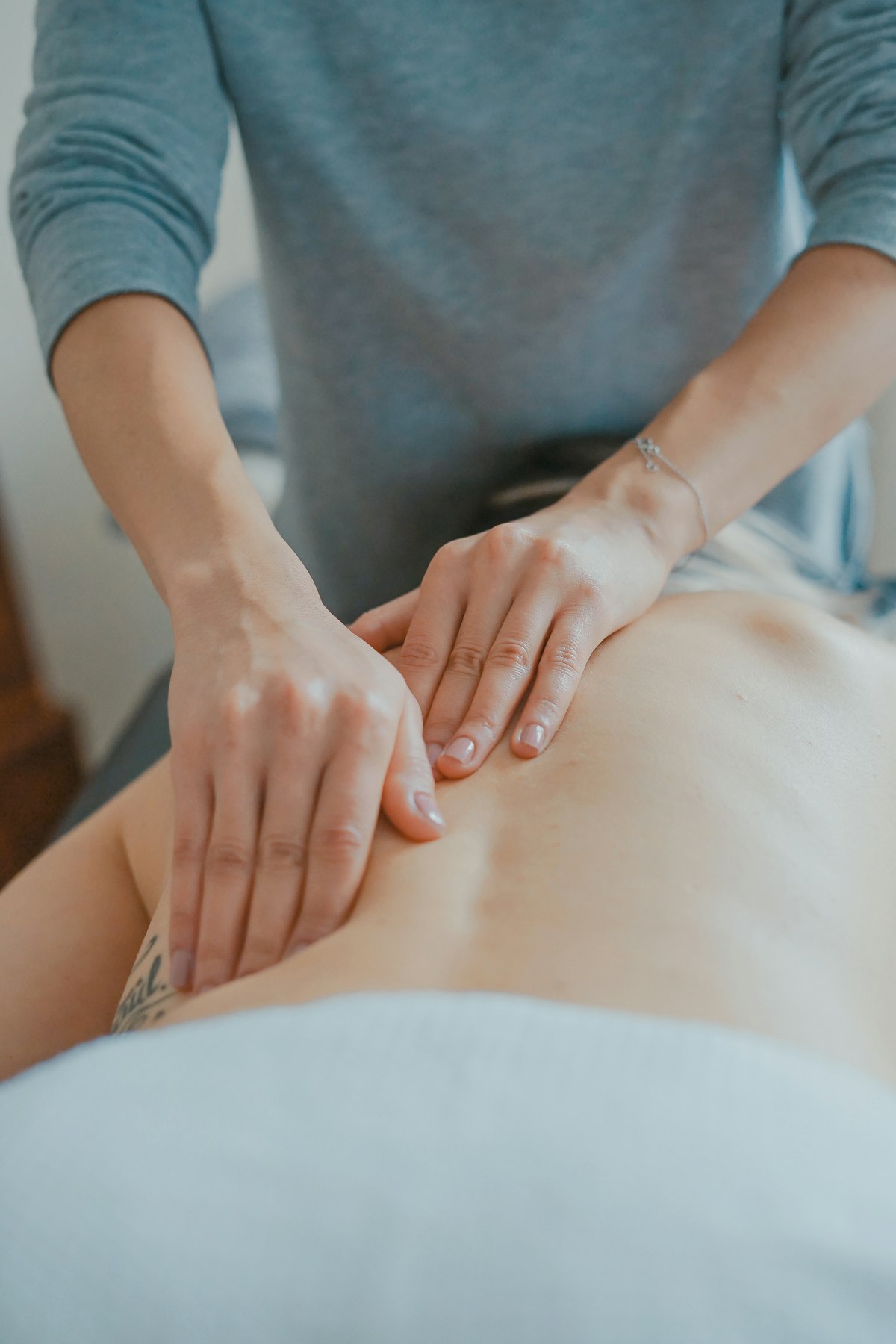
A proper Thai massage is one of the best value experiences in Patong — if you pick the right place.
A one-hour traditional Thai massage is one of the best value-for-money experiences anywhere in the world. At reputable shops around Patong, it costs 250–400 THB ($7–12). At hotel spas, the exact same treatment costs 1,200–2,500 THB. The technique doesn't change just because the room has better air conditioning.
Thai massage is not a gentle rub-down. It's an intense, often slightly painful sequence of stretches, pressure points and assisted yoga-style movements. You'll leave feeling like you've been physically rearranged — in a good way. If you want something gentler, order a foot massage (200–300 THB) or an oil massage (300–450 THB).
Cost: 250–400 THB for one hour. Two-hour combination treatments cost 500–800 THB.
Where to go: The streets around Malin Plaza have dozens of legitimate shops. Avoid the ones where the staff stand outside calling to you — those tend to be the most tourist-focused. Look for shops where the customers inside are actually getting massaged, not waiting to be sold to.
Insider tip: Book a two-hour session combining Thai massage with a herbal compress. The heated herbal ball treatment at the end is what makes the difference, and it's usually only 200–300 THB more than a standard massage.
What not to do: Don't accept the "massage + facial + manicure" package deals some shops push at 1,000 THB. The components are usually rushed and the quality drops sharply. Pick one treatment and do it properly.
5. Take a Phi Phi Islands Day Trip
The Phi Phi Islands are the single most popular day trip from Patong, and they genuinely deserve their reputation. Limestone cliffs rising out of turquoise water, Maya Bay, Pileh Lagoon, snorkelling in some of the clearest water you'll ever see. It's crowded and it's busy, but it's also spectacular.
We've written a complete guide to Phi Phi day trips from Patong — pricing, best tours, what to bring. The short version: book a speedboat tour with a small group (20–25 people max), leave early, and expect Maya Bay to be much busier than the photos suggest.
Cost: 1,200–1,800 THB ($35–52) per person for a speedboat group tour including transfers, lunch and snorkelling gear. Private charters start at 8,000 THB for the whole boat.
Best time: November to April for the calmest seas. Book in advance during high season — good tours sell out days ahead.
Insider tip: If you can, stay overnight on Phi Phi Don instead of doing a day trip. When the day-trippers leave at 4 PM, the island transforms. Check accommodation options on Agoda if you want to compare overnight stays.
What not to do: Don't book the cheapest tour you see. Some operators cut corners on safety equipment and group sizes, and the difference in experience is huge. Also, don't carry your passport on the boat — leave it in your hotel safe.
6. Watch a Muay Thai Fight

Muay Thai at Patong Boxing Stadium — a genuine, memorable slice of Thai culture.
Muay Thai is Thailand's national sport, and watching a proper fight is a genuine cultural experience, not a tourist performance. Patong Boxing Stadium (on the road between Patong and Karon) hosts fights several evenings a week, with a mix of local fighters, foreign fighters and the occasional championship bout.
The atmosphere is nothing like a Western boxing match. There's traditional Thai music playing throughout — a hypnotic flute and drum rhythm that intensifies as the fight goes on. Fighters perform the pre-fight Ram Muay dance, a ritual that honors their teachers. The crowd is a mix of locals, expats and tourists, and the betting is lively but friendly.
Cost: 1,000–1,500 THB ($29–43) per person, ringside seats. Standing area tickets are usually 800 THB.
Where: Patong Boxing Stadium, just off Rat-U-Thit Road. A 10-minute walk or 100 THB tuk-tuk ride from Malin Plaza.
Insider tip: Arrive around 8 PM for the main card. The early fights feature younger and less experienced fighters — interesting, but the real action is later.
What not to do: Don't buy tickets from touts on the street. Buy at the stadium entrance or through your hotel. The tickets are the same price, but touts sometimes sell fake ones.
7. Explore the Big Buddha

The Big Buddha sits on Nakkerd Hill — visible from almost everywhere in Patong.
Phuket's most iconic landmark is a 45-metre white marble statue of Buddha, sitting on top of Nakkerd Hill about 15 km south of Patong. It's visible from most of the island on a clear day, and the viewpoint around it offers a 360-degree panorama that includes Patong Bay, Kata Bay, Karon Bay, and the offshore islands.
Entry is completely free. The drive up takes about 25 minutes from Patong, and you'll want at least an hour at the top to walk around, take photos, and enjoy the view. Visit in the late afternoon for the best light.
Cost: Free entry. A Grab from Patong costs 150–200 THB ($4–6) each way. Tuk-tuk round trip negotiated at 500–800 THB.
Best time: 4–5:30 PM for the light and to avoid the midday heat.
Insider tip: Combine the Big Buddha with a stop at the Karon Viewpoint on the way back. You'll get two of the best views in Phuket in one afternoon.
What not to do: Dress respectfully. Shoulders and knees should be covered. Sarongs are available for free at the entrance if you arrive in beach clothes. Also, don't buy trinkets from the vendors at the top — the prices are 3–4 times higher than at Malin Plaza for identical items.
8. Take a Thai Cooking Class
A half-day Thai cooking class is one of the best souvenirs you can bring home — practical skills you'll actually use. The best classes in Patong include a guided market tour (usually starting at a local fresh market), hands-on instruction on 4–5 classic dishes, and a sit-down meal of everything you've made.
You'll learn to make Pad Thai properly, grind a fresh curry paste from scratch, balance sweet, sour, salty and spicy elements, and understand the difference between what Thai food tastes like in Thailand versus what it tastes like abroad. Half-day classes run about 1,500–2,500 THB including all ingredients and equipment.
Cost: 1,500–2,500 THB ($43–72) per person.
Best time: Morning classes (usually 8:30 AM–1 PM) include the market tour. Afternoon classes (2–6 PM) are slightly shorter and skip the market.
Insider tip: Choose a class that starts at a fresh market rather than a hotel kitchen. The market tour is half the value — you'll learn to identify Thai ingredients you'd never recognise otherwise.
What not to do: Don't book a class that only shows you pre-portioned ingredients. Real cooking classes let you handle whole spices, grind pastes, and adjust seasoning by taste. If the class claims "5 dishes in 3 hours," you're getting a demonstration, not a class.
9. Visit an Ethical Elephant Sanctuary
Elephant tourism in Thailand has a dark history, and Patong is no exception. But there are genuinely ethical sanctuaries in Phuket where elephants are rescued, cared for, and never ridden. Visiting one is one of the most memorable experiences available in the region.
At a proper sanctuary, you'll spend half a day observing elephants in a natural environment, preparing their food, feeding them, and walking beside them. You will not ride them. You will not watch them perform tricks. The elephants dictate the pace and the interaction.
Cost: 2,500–3,500 THB ($72–100) per person, including transfer from Patong, food preparation, and lunch.
How to choose: Look for sanctuaries that explicitly state "no riding" on their website. Ask directly if elephants are ever ridden or used for performances. If the answer is vague, choose a different sanctuary.
Insider tip: Morning visits are usually cooler and the elephants are more active. Afternoon visits can be very hot for both you and the animals.
What not to do: Don't book any tour that includes elephant riding, elephant painting, or "elephant shows." These practices are cruel, and the tourism industry is slowly phasing them out. Supporting them keeps them alive.
10. Chase the Sunset at Karon Viewpoint
Karon Viewpoint (also called Three Beaches Viewpoint) sits on the headland between Kata and Nai Harn, offering a rare view of three separate bays — Patong, Karon and Kata — all visible in the same panorama. It's a short drive from Patong (15 minutes by Grab) and the sunset views here are among the best on the island.
Arrive around 5:30 PM. Watch the light change over the three bays as the sun drops toward the horizon. Bring a camera. Bring a drink. Stay until the sun has fully set and the last colour has drained out of the sky.
Cost: Free. Grab from Patong costs 100–150 THB ($3–4) each way.
Best time: 5:30–6:30 PM, year-round. In monsoon season, the sunsets can be even more dramatic because of the cloud formations.
Insider tip: There are two viewing platforms — an upper one right at the road and a lower one a few minutes' walk down. The lower one is quieter and has better angles for photos.
What not to do: Don't try to walk to the viewpoint from Patong. It's too far and the road is genuinely unsafe for pedestrians. Take a Grab or a tuk-tuk.
11. Try Water Sports at Patong Beach

Water sports at Patong Beach — fun, but be careful with jet ski rentals specifically.
Patong Beach is one of the best-equipped beaches in Southeast Asia for water sports. Jet skiing, parasailing, banana boat rides, stand-up paddleboarding, kayaking — all available right on the beach. Prices are negotiable, especially in the late afternoon.
Typical prices: Jet ski 600–1,000 THB ($17–29) for 30 minutes. Parasailing 800–1,200 THB ($23–35) for 10 minutes. Banana boat 200–300 THB ($6–9) per person. Stand-up paddleboard 300–500 THB ($9–14) per hour. Kayak 200–400 THB per hour.
Insider tip: Book water sports in the late afternoon (after 3 PM) when vendors are more flexible on price. The best rates are usually the last hour before sunset.
What not to do: Never rent a jet ski without photographing it thoroughly first. Patong has a well-documented problem with jet ski operators falsely claiming pre-existing damage and demanding hundreds of dollars in compensation. Take photos of every angle, including the underside if possible. Never hand over your passport as a deposit — offer cash instead.
12. Explore the Local Neighbourhood Around Malin Plaza
This is the one that nobody writes about, and it's genuinely one of the best things to do in Patong. The streets around Malin Plaza — especially Prachanukhro Road and the small sois running off it — are the most authentically local part of Patong. This is where Thai families live, where their children go to school, and where the entire neighbourhood's daily life happens outside the tourist gaze.
Walk up these streets in the late afternoon and you'll see things you won't find on the beach road: local fruit sellers setting up, old men playing checkers outside a shop, kids running between buildings, street food carts that only serve locals. It's the same town that tourists walk past every day without noticing.
Cost: Free.
Best time: 4–5:30 PM, before the market crowds arrive.
Insider tip: The small side streets behind Malin Plaza have some of the cheapest and best local food in Patong — small stalls serving khao man gai (chicken rice) for 60 THB, som tam for 50 THB, and coffee for 30 THB. Follow the Thai office workers at lunchtime and you'll find them.
What not to do: Don't photograph people directly without asking. This is a residential neighbourhood, not a tourist attraction, and residents deserve the same courtesy you'd expect in your own home town.
How Many Days Do You Need in Patong?
Honest answer: three to five full days is the sweet spot.
Two days: Covers the beach, one night market, and Bangla Road. You'll leave feeling like you saw the surface.
Three days: Adds a Phi Phi day trip, massage, and one cultural activity. Enough to feel like you've experienced Patong properly.
Five days: Adds cooking class, Big Buddha, elephant sanctuary, and time to actually relax. This is the ideal length for most visitors.
Seven+ days: Only worth it if you're using Patong as a base to explore the rest of Phuket, or if you genuinely enjoy the beach-then-market-then-sleep rhythm. Most people find Patong gets repetitive after about five days.
Where to Stay to Do All of This Easily
Location matters more than anything else in Patong. A hotel within walking distance of Malin Plaza and Patong Beach puts you in the middle of everything, and saves you 200–400 THB per day in transport. We've listed the best hotels near Malin Plaza across all budgets — from budget options under $30 to luxury resorts.
For most visitors, the ideal hotel is within a 5-minute walk of both the beach and Malin Plaza. That combination makes everything on this list easier to reach.
🏨 Compare hotels on every budget: Create free accounts on Agoda and Trip.com before booking — account holders unlock member pricing that's typically 10–15% lower. Both offer free cancellation on most Patong properties.