⏱️ Read time: 13 minutes · Last updated: October 2025 · Written after visiting multiple sanctuaries and, unfortunately, one that wasn't what it claimed to be
Most travel blogs present elephant sanctuaries as a feel-good activity. You pay your money, you feed an elephant a banana, you take a photo, everyone goes home happy. What those blogs don't tell you is that a significant portion of "sanctuaries" in Thailand — including some in Phuket — are still operating riding camps underneath a more marketable label. The word "sanctuary" isn't regulated. Anyone can use it.
This guide is different. It's written for travellers who genuinely care about doing this the right way — who want to see elephants but don't want to support cruelty in the process. It covers what actually constitutes an ethical sanctuary, how to spot the fakes, real prices, honest expectations, and how to have a meaningful experience that helps rather than harms.
We've visited multiple sanctuaries in Phuket, talked to their staff, and unfortunately found that one highly-rated "sanctuary" was allowing riding on the quiet. The information here is what we wish someone had told us before our first elephant experience.
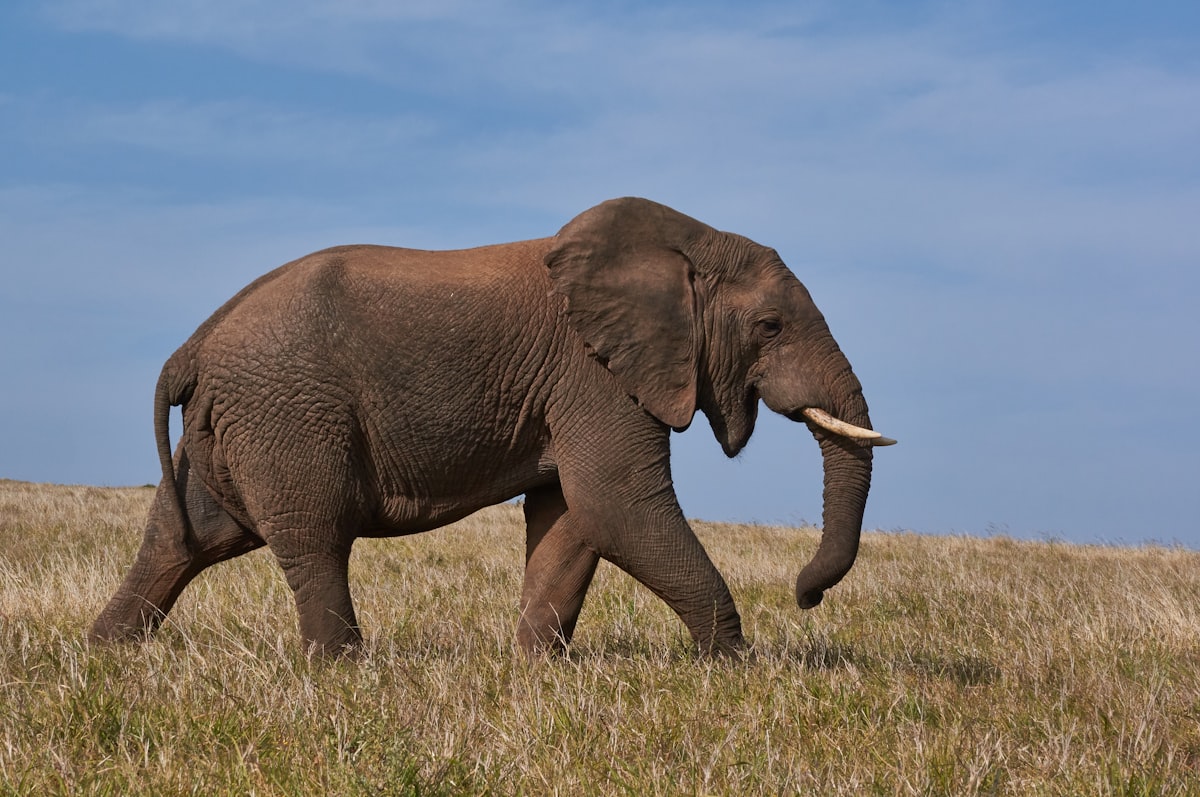
A rescued elephant roaming freely at a genuine ethical sanctuary — no chains, no hooks, no riding.
The Uncomfortable Truth About Elephant Tourism
Before we get to the practical stuff, it's important to understand what's actually happening. Thailand has an estimated 3,000–4,000 captive elephants. The vast majority work in tourism, either giving rides, performing tricks, or — most commonly — standing around while people take photos. Around 60% of them live in conditions that animal welfare organisations consider inadequate or cruel.
The riding industry is the core problem. Elephants that give rides must be "broken" when young — a process that involves confining them, starving them, and physically intimidating them until they accept a saddle and a rider on their back. This training process (called "phajaan") is brutal and has been documented by every major animal welfare organisation. Once an elephant has been broken, it will usually accept riders for decades. But the damage — both physical and psychological — is permanent.
Riding also causes direct physical harm. An adult elephant's spine is not designed to carry weight on its back. Saddles and riders cause spinal damage, skin infections, and long-term skeletal problems. The elephants often work long hours in the heat, chained between rides so they can't move freely.
The good news is that Thailand's tourism industry has been changing. Since around 2015, riding has become increasingly unacceptable, and a growing number of operators have converted their camps into genuine sanctuaries. The bad news is that the transformation is uneven, and many camps market themselves as sanctuaries while still offering riding on the side.
What Makes an Elephant Sanctuary Actually Ethical
The word "sanctuary" means nothing on its own. Here are the specific things that genuinely distinguish an ethical operation.
Green Flags — What Ethical Sanctuaries Do
No riding. Ever. Under any circumstances. This is non-negotiable. If riding is offered — even as an "extra" or a "short ride for children" — it isn't an ethical sanctuary.
No performances or tricks. Elephants painting, dancing, playing instruments, or performing for audiences are being trained through negative reinforcement, no matter how it's presented.
No chains or hooks. Ethically-run sanctuaries keep elephants unchained during the day and allow them to move freely. Bull hooks (the sharp metal tools used to control elephants) are never used at genuine sanctuaries.
Natural social groupings. Elephants are highly social animals and are happiest in small family groups. Genuine sanctuaries keep related elephants together and allow them to interact naturally.
Small visitor groups. Most ethical sanctuaries cap group sizes at 10–15 people per session. Large bus groups (40+) are a sign the operation prioritises volume over welfare.
Transparency about origin. Ethical sanctuaries will tell you where each elephant came from, how they were rescued, and what their health situation is. They answer questions openly.
Focus on observation, not interaction. You'll spend your visit watching, feeding from a distance, and preparing food. Not sitting on, hugging, or posing with the elephants.
Red Flags — Walk Away Immediately
Any offer of riding. Even a "short ride" or "for children only" is a red flag. Walk out.
Elephants chained by the leg. Chains on adult elephants outside of brief veterinary or transport situations are a welfare violation.
Bull hooks visible. The sharp metal hook is standard equipment at riding camps. If you see one, you're not at a sanctuary.
Elephants performing or "painting." This is trained through painful reinforcement and has no place at a genuine sanctuary.
Aggressive marketing with guaranteed animal contact. If a tour promises "guaranteed elephant riding" or "photo with elephants sitting on you", it's a tourist attraction, not a sanctuary.
Suspiciously low prices. Genuine sanctuary visits cost 2,500–3,500 THB per person. A "sanctuary tour" at 800–1,200 THB is almost certainly a riding camp that's rebranded.
Huge groups. If the tour buses are 40+ people, the welfare of the elephants will not be prioritised.
Vague answers about origins. If staff can't tell you where each elephant came from or how they were rescued, the operation probably didn't rescue them — it bought them.
Ethical Elephant Sanctuaries in Phuket — What's Actually There
Phuket has several elephant operations. Some are genuinely ethical. Others are riding camps that have added a "sanctuary" tab to their website. Here's what we found visiting them.
Phuket Elephant Sanctuary (near Bang Pae Waterfall)
This is generally considered the flagship ethical sanctuary in Phuket, and our experience matched the reputation. It was founded by Louise Rogerson, a long-time elephant welfare advocate, and purchases elephants from riding camps and logging operations to give them retirement care.
The elephants here roam freely across a large forested area with a stream and a mud pit. Visitors observe from platforms and follow walking trails. There is no riding, no bathing with elephants (which is controversial — see below), and no direct contact that could stress the animals. You can feed them from a distance and watch them go about their day.
Cost: Half-day 3,000–3,500 THB ($86–100) per person including transfer from Patong, food preparation, lunch and guide. Full-day slightly higher.
Best for: Travellers who genuinely prioritise animal welfare over interaction.
Phuket Elephant Nature Reserve
Another well-regarded sanctuary in the northern part of Phuket. Similar philosophy to the Elephant Sanctuary above — rescued elephants, no riding, freedom to roam, focus on observation and food preparation. The visitor experience includes a guided walk, feeding, and traditional Thai lunch.
Slightly smaller than the flagship sanctuary, with 5–6 elephants. Smaller groups mean a more personal experience, though the trade-off is less diversity of elephant behaviour to observe.
Cost: 2,500–3,000 THB ($72–86) per person for half-day including transfer.
Green Elephant Sanctuary Park
This one is more interactive and includes mud bath and water play sessions with elephants. It's a genuine sanctuary — no riding, no hooks — but the higher level of direct contact makes it controversial among some animal welfare advocates.
In our view: mud baths and water play are optional for the elephants at a properly-run sanctuary. If the elephants come to the mud pit of their own accord and visitors join them without forcing contact, it's not exploitative. If the elephants are being led into the water on a schedule for photos, it's a different situation. Green Elephant appears to fall on the acceptable side, but it's worth asking specific questions before booking.
Cost: 2,800–3,200 THB ($80–92) for half-day including transfer.
What About Other "Sanctuaries" in Phuket?
There are several other operations using the word "sanctuary" in Phuket. Some are genuinely ethical. Others are riding camps that have added "sanctuary" to their branding. The problem is that there's no independent certification body in Thailand that verifies the term.
Our advice: use the red flags list above. If a tour offers riding — even as a separate "activity" — it's not an ethical sanctuary. If the elephants look unhealthy, are chained, or are made to pose for photos, it's not a sanctuary. If the price seems too low to be true, it probably is.
What to Expect on the Day
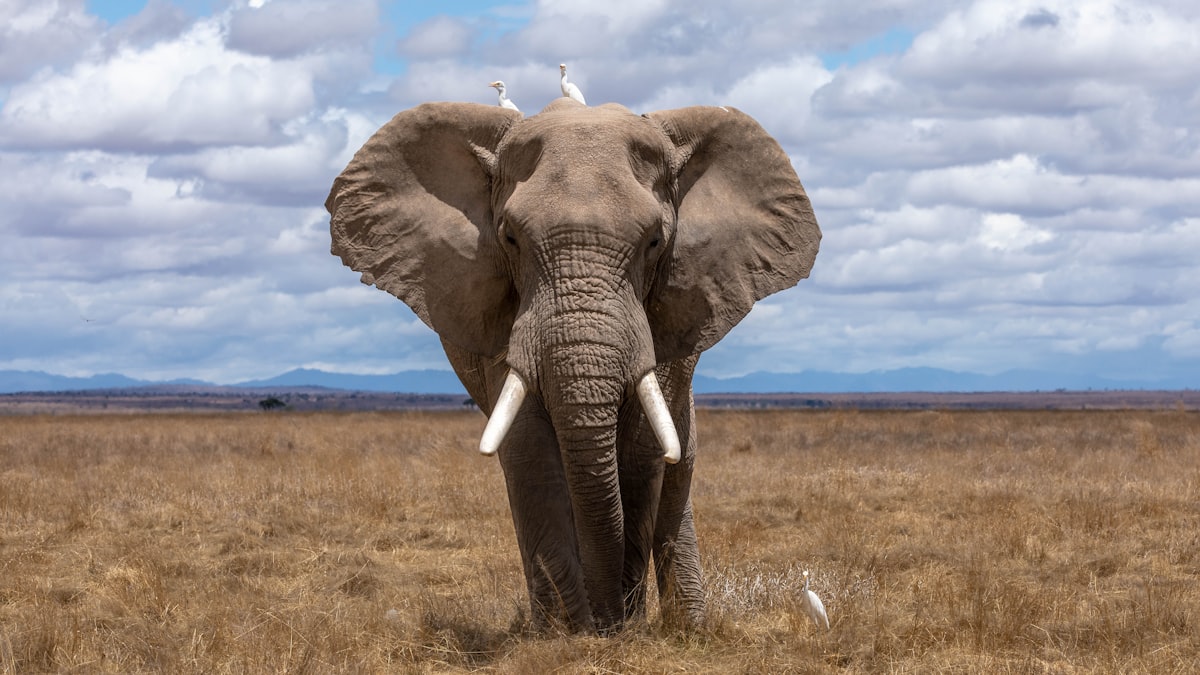
Preparing fruit for the elephants is one of the core activities at any ethical sanctuary.
The typical structure of a half-day visit at an ethical sanctuary goes like this.
Morning pickup (7:30–8:30 AM): A van collects you from your hotel in Patong. The drive to most sanctuaries takes 30–50 minutes.
Welcome briefing (30 minutes): A guide explains the sanctuary's history, the individual elephants, and the rules for the visit. You'll learn each elephant's name and story — most have been rescued from logging or riding.
Food preparation (30 minutes): You help cut up fruit — usually watermelon, bananas, and pineapple — for the elephants. This is genuinely part of the daily care routine and not just theatre.
Observation and feeding (1.5–2 hours): You walk to where the elephants are, watch them interact, and feed them from a respectful distance. Ethical guides will instruct you not to touch the trunk or approach the head, especially of bull elephants.
Lunch (45 minutes): A simple Thai buffet lunch is included.
Return to hotel (12:30–1:30 PM): Drop-off back at your hotel.
Full-day programmes add an afternoon session with more observation time, a longer walk, and sometimes a stop at a nearby waterfall.
Realistic Prices — What You Should Actually Pay
🐘 Half-Day Ethical Sanctuary
2,500–3,500 THB ($72–100)
Includes transfer, food, lunch
🐘 Full-Day Ethical Sanctuary
3,500–5,000 THB ($100–143)
Extended observation + lunch
⚠️ "Sanctuary" at 800–1,500 THB
Usually a riding camp
Walk away
❌ Riding Camps
1,200–2,500 THB
Do not book regardless of price
If a tour operator in Patong offers you an "elephant sanctuary experience" for 1,000 THB, don't book it. Genuine sanctuaries cannot operate at that price because caring for elephants is expensive — a single adult elephant consumes around 200 kg of food per day. A cheap tour is either a riding camp in disguise or a very short, very limited visit that doesn't meaningfully support elephant welfare.
Is Bathing With Elephants Ethical?
This is one of the more debated questions, and it deserves an honest answer.
Bathing with elephants became popular in the 2010s as an alternative to riding — the idea being that tourists could still interact with elephants without the cruelty of riding. A lot of sanctuaries promoted it as the "ethical" option.
But recent research and welfare advocacy have raised serious questions. Constantly being scrubbed by strangers can be stressful for elephants. Many sanctuaries schedule multiple bathing sessions a day, which means elephants that would naturally spend only a few hours a day in water are being asked to do it repeatedly. The stress is real, even if the activity itself isn't cruel in the way riding is.
The most forward-thinking sanctuaries — including Phuket Elephant Sanctuary — have stopped offering bathing entirely. Elephants use the mud pit and stream on their own schedule, and visitors watch from a distance.
If bathing is offered at a sanctuary you're considering, ask this question: "Do the elephants come to the water on their own, or are they brought to it for the visitors?" If the answer is vague or defensive, this isn't the sanctuary for you.
What to Bring and How to Prepare
You don't need much for a sanctuary visit, but a few things make the day better.
Comfortable clothes that can get dirty. Preparing food is messy, and walking trails can be muddy after rain.
Closed-toe shoes. The walking trails at most sanctuaries are not flip-flop terrain. Bring proper shoes.
Reef-safe sunscreen and mosquito repellent. Sanctuaries are in forested areas and the sun and bugs are real.
A refillable water bottle. Most sanctuaries provide water but having your own bottle saves on plastic waste.
A camera with decent zoom. You'll be observing elephants from a distance, so a zoom lens or telephoto is far better than trying to get close.
What NOT to bring: Don't bring food to feed the elephants other than what the sanctuary provides. Don't bring drones. Don't bring anything you'd be devastated to lose in the mud.
How This Experience Changes You
We won't pretend this is just another activity on your Phuket itinerary. Watching a rescued elephant take its first steps into a stream after years of being chained is genuinely moving in a way that's hard to describe until you've seen it. The elephants at ethical sanctuaries aren't performing. They're not working. They're not on a schedule. They're just existing, finally, without pressure.
Most visitors we've spoken to after the experience describe it as the single most memorable thing they did in Phuket. Not the Phi Phi day trip, not the beaches, not the night markets. The elephants. It's one of those experiences that resets your perspective on what travel is really about.
Book it early in your trip if you can — most sanctuaries sell out 2–3 days in advance during high season.
How to Book an Ethical Elephant Sanctuary
The best options, in order of reliability:
Directly through the sanctuary's website. Most ethical sanctuaries take direct bookings. This is the best option because the sanctuary receives the full amount, and you know exactly what you're getting.
Through a reputable booking platform like Trip.com. Trip.com lists multiple Phuket elephant sanctuaries with verified reviews and confirmation policies. Useful for comparing prices and reading honest reviews before booking.
Through your hotel concierge. Convenient, but verify the actual sanctuary before booking. Some hotels have relationships with specific sanctuaries and can confirm the ethical credentials directly.
What NOT to do: Don't book through a tour desk on the street in Patong, especially if they offer an "elephant sanctuary" at suspiciously low prices. Tour desk operators are paid commissions and often sell riding camps to tourists who don't know the difference.
🐘 Our recommendation: Book directly with Phuket Elephant Sanctuary or Phuket Elephant Nature Reserve. Both have transparent operations, no riding, no bathing, and clear welfare standards. If you prefer to compare options, Trip.com lists both with verified reviews.
Combining Your Sanctuary Visit With Other Patong Activities
Most sanctuary visits run half a day (morning or afternoon), so you'll have time for other activities on the same day. Our suggested combination:
Morning: Half-day sanctuary visit (7:30 AM–1:30 PM).
Afternoon: Rest at your hotel or visit Patong Beach for a swim.
Evening: Walk over to Malin Plaza Phuket for dinner. A full meal of grilled prawns and Pad Thai is the perfect end to a meaningful day — see our food guide for the best stalls.
For a complete Patong itinerary, see our guide to the 12 best things to do in Patong.
🏨 Where to stay: A hotel within walking distance of Malin Plaza makes everything on this list easier — you can walk to dinner every evening instead of paying for transport. Compare rates on Agoda or Trip.com.