⏱️ Read time: 11 minutes · Last updated: October 2025 · Prices verified on multiple visits in 2025
Getting connected on arrival in Phuket is one of those things that sounds simple until you're standing in the arrivals hall at 2 AM, exhausted from a long flight, trying to figure out which of three SIM card booths to approach. Every booth has bright signs, friendly staff, and a package that seems reasonable — until you discover later that the same SIM costs 40% less at a 7-Eleven down the road.
Here's the honest truth: Phuket's SIM card situation is genuinely easy. There are three main carriers, all with excellent coverage, and tourist SIMs are cheap. But there are a few things worth knowing before you buy, and a couple of small traps to avoid. This guide gives you the full picture — which carrier to choose, where to buy, how much to pay, and whether you should even bother with a physical SIM in 2025 or just use an eSIM.
Everything here is based on actually using Thai SIM cards across multiple trips. We've tried all three carriers, bought SIMs at the airport and in town, and used eSIMs alongside physical SIMs. Here's what actually works.
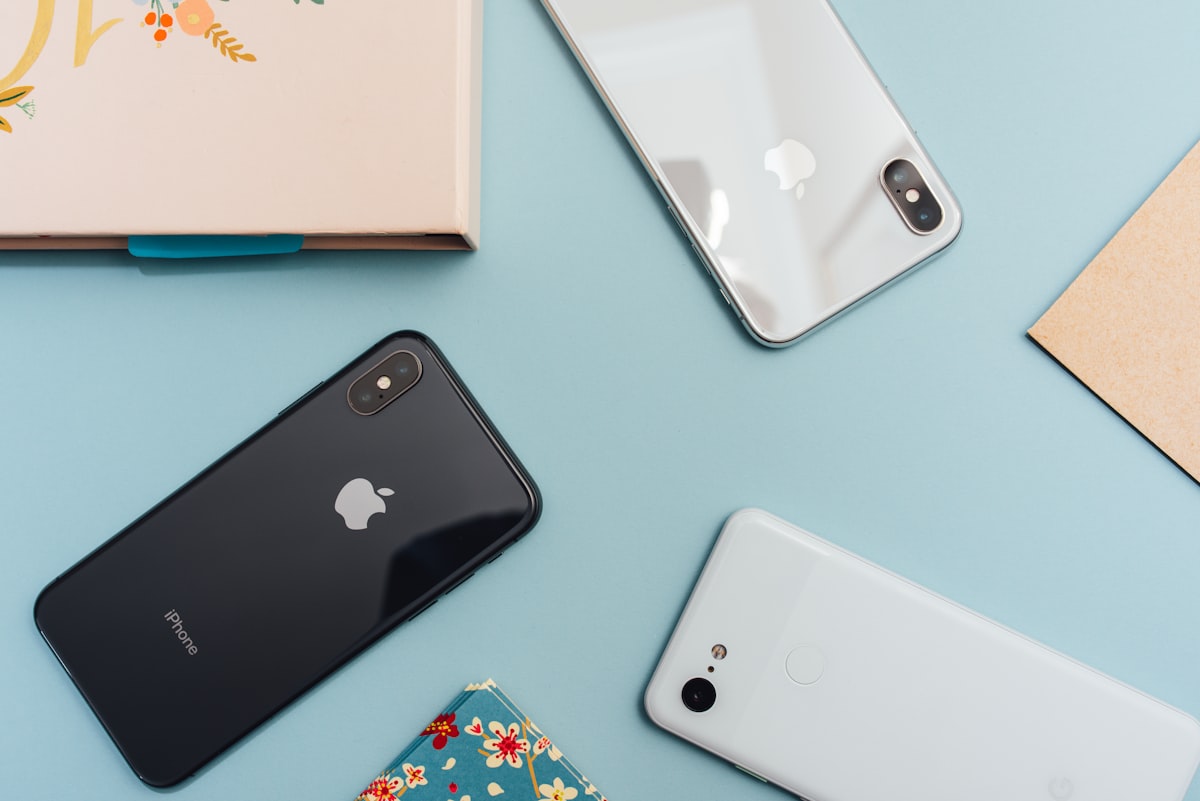
Getting a Thai SIM card is easy — but knowing which one and where to buy saves money and hassle.
The Short Answer — What to Do
If you want the fast answer:
Buy an AIS tourist SIM at Phuket Airport on arrival. It costs 399–599 THB ($11–17) for 15–30GB of data valid for 15 days. Coverage is excellent across Phuket, and you're connected the moment you land. This is what we recommend to 90% of travellers.
Or, use an eSIM. If your phone supports it (any iPhone since XS, most modern Androids), buying a Thailand eSIM from Airalo, Holafly or Nomad before you fly is even easier. You activate it on the plane, and you're connected the moment you land. Prices are similar or slightly higher than physical SIMs.
Don't buy a "global roaming" SIM from your home country. These work but cost 5–10 times more than a local Thai SIM for the same data.
✅ Best Overall
AIS Tourist SIM
399–599 THB ($11–17)
15–30GB, 15 days
✅ Best eSIM
Airalo or Holafly
$8–20 USD
Activated before you fly
⚠️ Avoid
Home-country roaming
5–10× more expensive
Same network anyway
⚠️ Also Avoid
Street-stall "discount" SIMs
Sometimes resold/expired
Buy at official booth
The Three Main Carriers in Thailand
Thailand has three mobile network operators, all of which offer tourist SIMs in Phuket. Here's how they compare.
AIS — The Overall Best Choice
AIS is Thailand's largest carrier, with the widest coverage and the most reliable network across the country. In Phuket and the surrounding islands, AIS is consistently the strongest signal — including on ferries, in more remote parts of the island, and at some of the smaller beaches.
AIS tourist SIMs cost 399–599 THB ($11–17) depending on the package. The standard tourist SIM includes 15–30GB of data valid for 15 days, with unlimited data at reduced speed after you hit the cap. Calls within Thailand are usually included; international calls cost extra.
AIS has kiosks at Phuket Airport arrivals and shops in most shopping malls and major streets in Patong, Kata and Phuket Town.
Best for: Most travellers. If you're not sure which to pick, choose AIS.
True (TrueMove H) — Fastest in Cities
True has the fastest speeds in urban areas and the widest 5G coverage in Bangkok, but its network in Phuket is slightly behind AIS in remote areas. In Patong, Kata and Phuket Town, True works perfectly well. On smaller islands or the more remote parts of Phuket, AIS has an edge.
True tourist SIMs cost 299–599 THB ($9–17) depending on the package, with similar data allowances to AIS. They sometimes have promotional packages that are slightly better value.
Best for: Travellers who stay mostly in cities and want maximum speed on 5G.
dtac — Good Value, Slightly Weaker Coverage
dtac is the third major carrier, offering slightly cheaper packages but with slightly weaker coverage in remote areas. In central Patong and most Phuket tourist areas, dtac works fine. If you're planning to travel to more remote parts of Thailand or spend time on smaller islands, AIS or True are safer bets.
dtac tourist SIMs cost 249–499 THB ($7–14) depending on the package.
Best for: Budget-conscious travellers who stay in main tourist areas.
📱 Insider tip: All three carriers have kiosks at Phuket Airport arrivals, right before you exit the terminal. If you want to skip airport queues, buy your SIM in Patong instead — there are shops on Rat-U-Thit Road and Prachanukhro Road (near Malin Plaza) that sell the same packages for slightly less.
Tourist SIM Packages — What You Actually Get
Thai tourist SIMs come in a few standard formats. Here's the honest breakdown.
7-Day Packages
249–399 THB ($7–11) for 15–20GB of data. Good for short trips under a week. If you're staying only 5–7 days, this is enough for maps, Grab, WhatsApp, and light social media use.
15-Day Packages
399–599 THB ($11–17) for 25–30GB of data. The most popular option. Covers almost any trip length. If you're staying 10–15 days, this is the sweet spot.
30-Day Packages
599–999 THB ($17–29) for 50GB–unlimited data. For longer stays. Also good if you want to use the SIM as a hotspot for a laptop or tablet.
Unlimited Data Packages
Some carriers offer "unlimited" packages, but read the fine print: most cap the high-speed data at 15–30GB and then throttle to slower speeds. This is fine for messaging and maps but painful for video streaming. Check the specific package at the time of purchase.
Where to Buy a SIM Card in Phuket
You have four main options for buying a SIM in Phuket. Each has trade-offs.
Phuket Airport (Best for Convenience)
AIS, True and dtac all have kiosks in the arrivals hall at Phuket International Airport. They open early (around 6 AM) and close late (around midnight), and staff speak English. You can buy and activate a SIM in about 10 minutes.
Prices at the airport are slightly higher than in town — usually 50–100 THB ($1.50–3) more per package. What you're paying for is convenience and immediate connection.
This is our recommended option for most travellers. Getting off a long flight and immediately being connected is worth the small premium.
In Town — 7-Eleven and Carrier Shops
Carrier shops (AIS, True, dtac) exist in Patong, Kata, Karon and Phuket Town. Prices are marginally lower than the airport — usually 50–100 THB less per package. 7-Eleven also sells SIM cards, but with more limited options and sometimes higher prices.
Buying in town makes sense if you're staying more than a few days and don't mind waiting until the next day to get connected.
Online Before You Travel (eSIM)
Buying an eSIM before you travel is the easiest option of all — you activate it on the plane and you're connected on landing. Popular providers include Airalo, Holafly and Nomad, all of which offer Thailand data packages.
Prices run $8–20 USD depending on data amount and validity. Coverage is via the same underlying Thai networks, so signal quality is identical to buying a physical SIM.
See the eSIM section below for more detail.
From Street Vendors (Not Recommended)
You may see SIM cards being sold by street vendors or from small kiosks outside major shops. We don't recommend this. The SIMs are sometimes resold, expired, or registered to another person — which can cause problems if you ever need to contact customer service or top up your balance.
Buy from an official carrier booth or a reputable 7-Eleven instead.
eSIM vs Physical SIM — Which Should You Choose?
In 2025, eSIMs have become a genuinely viable alternative to physical SIM cards for travellers. Here's how they compare.
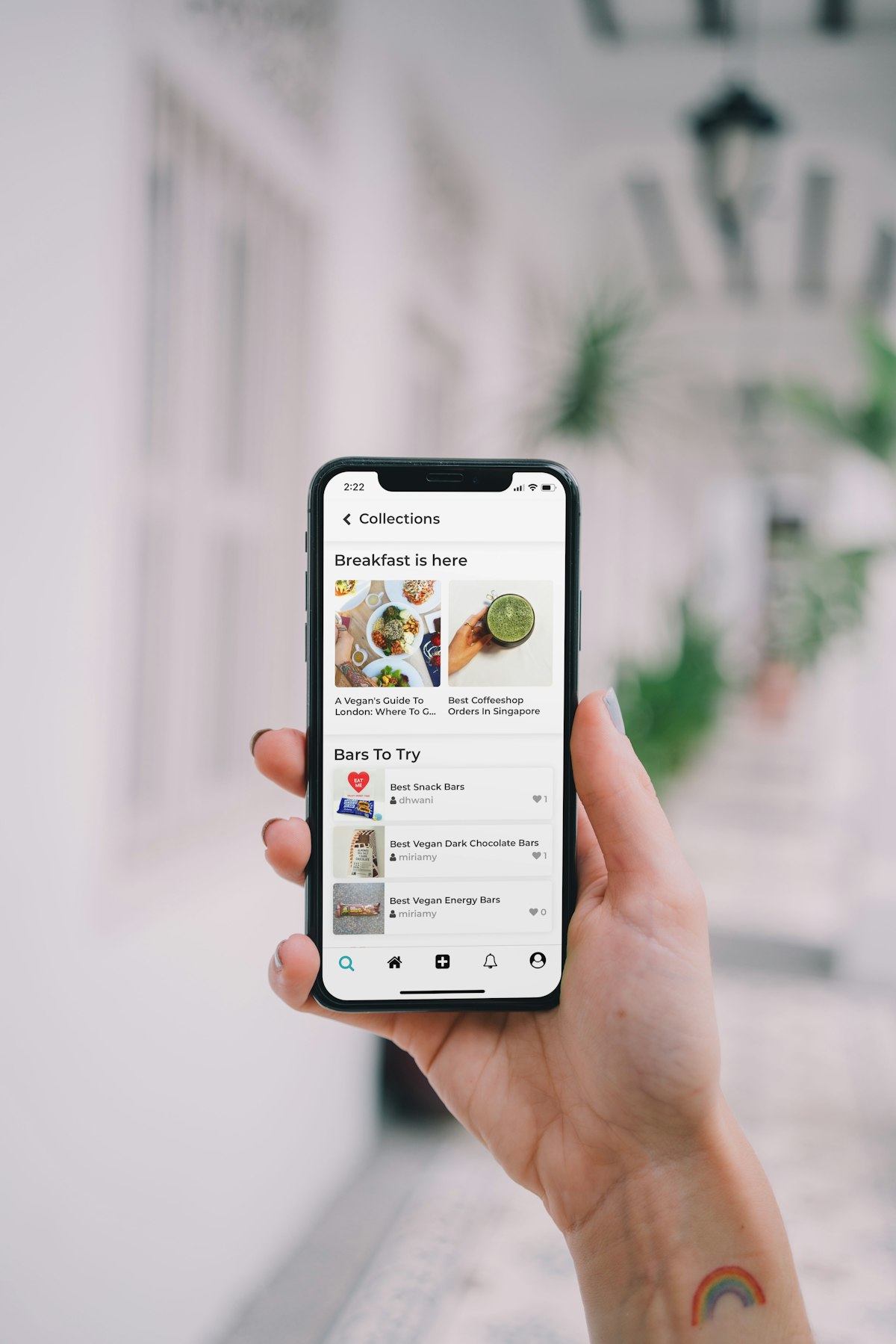
eSIMs can be activated before you fly — you're connected the moment you land at Phuket.
eSIM Advantages
Activate before you travel — no need to find a booth at the airport. Keep your home SIM active in your phone at the same time (useful if you need to receive SMS codes from your bank or want to keep your home number). No physical card to lose or swap. Often slightly cheaper for short trips because you only pay for what you need.
eSIM Disadvantages
Not all phones support eSIM — check yours first. You can't swap the SIM into another device if your phone dies. Some eSIM providers only offer data (no voice calls). More difficult to top up if you run out.
Physical SIM Advantages
Works in any unlocked phone. Voice calls and SMS included by default. Easy to top up at 7-Eleven or any carrier shop. Can be moved to another device if needed.
Physical SIM Disadvantages
Need to buy on arrival (or pre-order and wait). Have to swap out your home SIM (or use dual SIM if you have it). Slightly more expensive for very short trips.
Our recommendation: If your phone supports eSIM, buy one before you fly. If not, buy an AIS physical SIM at Phuket Airport.
How to Top Up Your Thai SIM
If you run out of data or need to extend, topping up is easy.
At 7-Eleven: The easiest option. Tell the cashier which carrier you're on and the amount you want to add (50, 100, 200, 300 THB). They'll print a receipt with a top-up code. Dial the code from your phone to activate.
At carrier shops: Visit an AIS, True or dtac shop — they'll top up your account directly. Slightly slower but no code to enter.
Via the carrier app: All three carriers have apps where you can top up with a Thai or international card. Useful if you don't want to go out.
Online: Some carriers offer top-up through their websites. Usually requires a Thai payment method, so this works best for longer stays.
SIM Card Registration — What You Need to Know
Thai law requires all SIM cards to be registered to an identity document. When you buy a SIM at the airport or in town, you'll need to show your passport. The vendor will take a photo or copy of your passport and register the SIM in your name.
This is straightforward and takes a couple of minutes. Make sure the registration is done properly — if it isn't, you may not be able to use the SIM after a few days, or you may have issues topping up.
Some vendors will ask for your email address as well. This is normal and used for account management.
Coverage in Phuket and the Islands
Mobile coverage in Phuket is excellent. All three carriers have strong signals across the entire island, including the beaches, Patong, Kata, Karon, and Phuket Town. You'll have no issues in any tourist area.
Coverage on nearby islands is generally good, especially around Phi Phi Don and Racha. Coverage on smaller, more remote islands (or on the Similan Islands) can be patchy — expect it to be weaker or nonexistent in some spots.
For island hopping trips, download offline maps before you go and don't rely on having signal the whole time. Both Google Maps and Maps.me support offline downloads.
Do You Even Need a SIM Card in Phuket?
Honest answer: yes, for most travellers. Wi-Fi is available in nearly every hotel, café, restaurant and shopping mall in Phuket — but you don't want to be tethered to Wi-Fi for navigation, ride-hailing, or finding places on the go.
If you're staying in a hotel the whole time and only going out with a tour group, you could survive on Wi-Fi alone. But the moment you want to use Grab (which you will — see our Phuket Airport transfer guide), check Google Maps, or send photos to family, a local SIM becomes essential.
For the cost of a single nice dinner (400–600 THB), you get 15 days of full connectivity. It's a no-brainer.
What NOT to Do With Thai SIM Cards
A short list of things that cause problems.
Don't buy "global roaming" packages from your home carrier. They work but cost 5–10 times as much as a local Thai SIM. The network is often the same, just at a marked-up price.
Don't buy SIM cards from street vendors or unofficial kiosks. You can't verify the registration and the SIMs are sometimes resold or expired. Buy from official carrier booths or 7-Eleven.
Don't skip the airport option if you're arriving late. Airport kiosks close around midnight. If you're arriving after that, either buy an eSIM in advance or plan to buy a SIM in town the next day.
Don't assume "unlimited" means unlimited high-speed. Read the fine print on any package branded as unlimited. Most cap high-speed data at 15–30GB and then throttle.
Don't forget to check that your phone is unlocked. If you bought your phone from a carrier on a contract, it may be locked to that network. Thai SIMs won't work until you unlock it.
Don't buy more data than you need. Most travellers use far less than they think. 15–30GB is plenty for 15 days of normal use. Streaming videos or using the SIM as a hotspot for a laptop is what actually burns through data.
📱 Our recommendation: For most travellers, buy an AIS tourist SIM at Phuket Airport on arrival — 399–599 THB ($11–17) for 15 days with 15–30GB. If your phone supports eSIM, buy an Airalo or Holafly package before you fly instead. Either way, you're connected within minutes of landing and you don't have to think about it again. Then head straight to Malin Plaza Phuket for dinner — see our food guide for what to order first.
Final Verdict — Get Connected, Get On With Your Trip
Thai SIM cards are cheap, easy to buy, and work well throughout Phuket. There's no reason to pay for expensive international roaming or to try to survive on hotel Wi-Fi alone.
Buy an AIS SIM at Phuket Airport on arrival (399–599 THB for 15 days). Or activate an eSIM before you fly. Either way, you'll be connected within minutes and can get on with enjoying your trip instead of worrying about data.
For official carrier information, see the AIS website, the True website, or the dtac website. The Tourism Authority of Thailand also maintains practical advice for travellers.